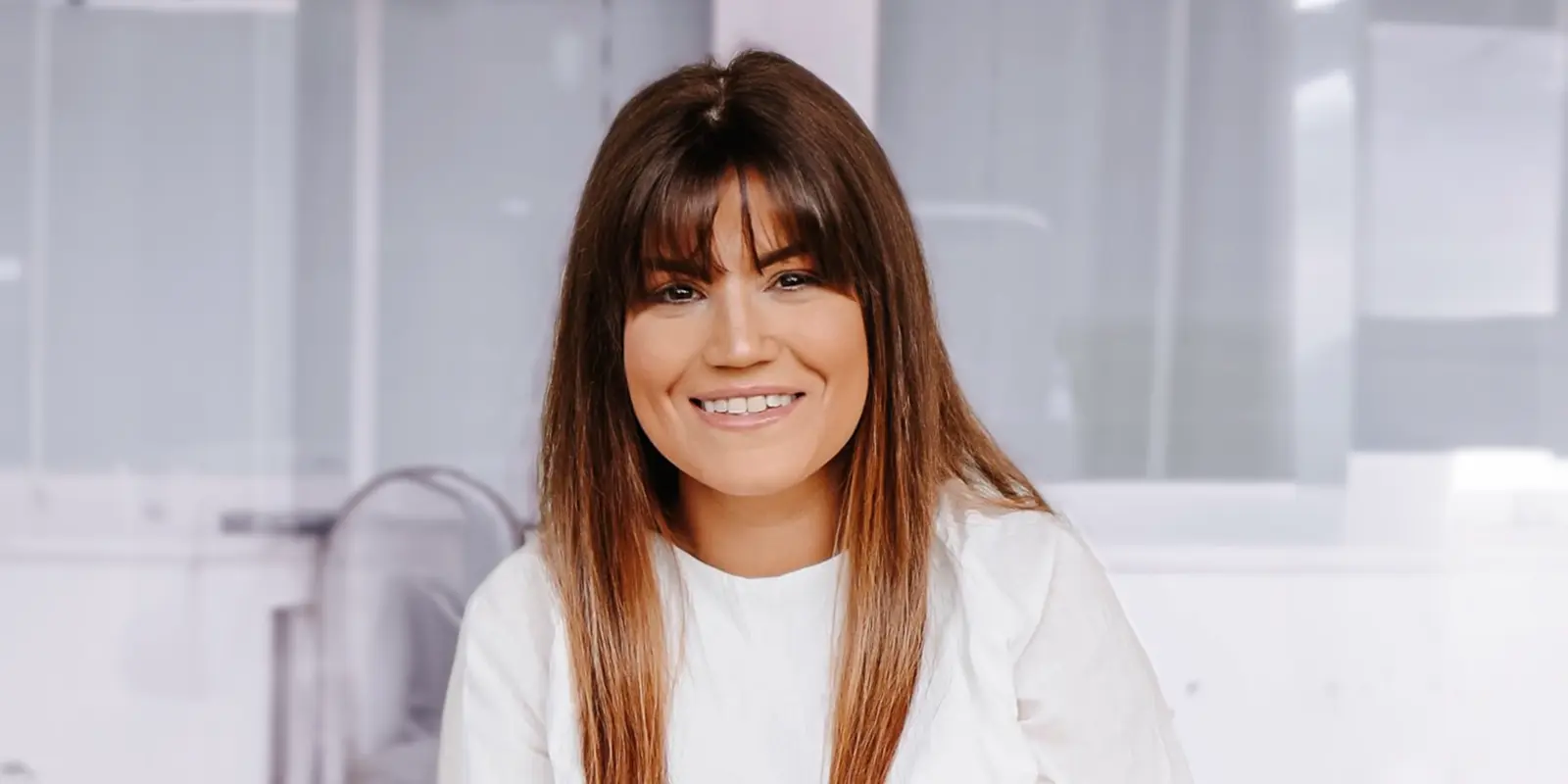
The PicnicHealth breast cancer community is nearly 1,500 patients strong, and we had the opportunity to catch up with one of our research trailblazers, Diane Chen.
With over four decades of experience as a former clinical dietician with a background in biology, Diane is no stranger to the complexity of the wellness and medical world. Navigating medical care and research as a patient, however, was an entirely different experience.
Her journey into the world of clinical research as a patient began only three years ago, after receiving a breast cancer diagnosis at UCLA. With her husband (a former National Institute of Health employee) at her side and her biology expertise, Diane felt determined to do her part to move breast cancer research forward to help the greater community.
Diane’s journey into clinical trials
After being diagnosed with stage one, grade II breast cancer, Diane quickly began treatment at UCLA – working with her care team, including an oncologist, nurse practitioner, and social worker – to determine the best treatment options for her. While her treatment experience was optimal, her care team didn’t connect her to any medical research opportunities. Determined to make a positive impact, she sought out opportunities through Clinical Connection, a service dedicated to matching patients with clinical studies. Since then, Diane has participated in over five clinical studies, ranging from a COVID-19 study to a study researching the impact of breathing and meditation for patients.
Culture-competent research
After spending years working at Cedars Sinai, Diane knows first-hand how important cultural competence is in medical care and the cultural barriers many Asian patients face. The community’s strong core values around self-reliance and risk aversion can discourage many from participating in experimental medical studies.
“I think that for any kind of program, if people want to break into a certain ethnic community, you need to explain the information in clear detail in their language. Educating them is number one. If we can educate them, let them realize the pros and cons. There very unlikely are cons. That way, people are more knowledgeable about it. You can get the trust for them to participate.”
One powerful way to bridge this gap is for researchers to prioritize offering clear, detailed information in as many languages as possible. For many, especially elderly community members, having language support and readily available resources like direct lines to coordinators becomes an invaluable lifeline.
If you’re considering joining a clinical study, here are Diane’s biggest recommendations.
1. Educate yourself
“My best advice is number one: you need to educate yourself. To see what the program is all about. Then you need to look at your own health situation. If it’s going to compromise the current problem, then I would advise no, don't forward it. But if you can work closely with your GP, do it.”
.
Evaluating if a clinical trial is right for you starts with educating yourself on who is behind the research and reviewing their past work. By doing your own research and collaborating closely with your care team, you can match with the best research opportunity for you.
2. Be an active participant
Once you decide to be part of a trial, be proactive. Active participation in the study will improve your overall experience, in addition to the learnings researchers can walk away with. One easy way to stay engaged is to have a point of contact, like a study coordinator, who can address any questions or concerns you have.
3. Trust is foundational
Participating in medical research, especially clinical trials, is taking a leap of faith. Building and maintaining trust between researchers and participants is important by fostering open communication, strong follow-through, and establishing good rapport.
“Gain their trust. So that way, I feel like you can get many people willing to participate in this kind of clinical research.”
4. Representation matters
Building a well-rounded cohort for clinical trials starts with consistent and meaningful representation in patient outreach, including advertisements, recruiters, etc. Ensuring language translations are available, especially for older populations, is critical.
“Older people, or other social economic level people, aren’t comfortable with websites. They may not even have a computer; they have to go to a library or something. Offer something in their hand with a phone number in their language to let them know where you can participate or how you can get more information.”
Participating in clinical studies is one of the most powerful ways to drive research breakthroughs. They can open you to a wider range of cutting-edge treatment approaches while uplifting the community.
"If everybody had the mentality of 'I don’t want to be a guinea pig,' medical treatment would not evolve and advance.”
For Diane, clinical research is a win-win. She has been able to get a deeper insight into her own health while contributing to medical advancements for breast cancer. Diane’s story is a testament to the human spirit's capacity to continuously learn, adapt, and contribute. Her journey into clinical research isn't just about personal growth; it's a clarion call for others, especially within the Asian community, to step forward and be a part of this transformative process.
"We need to be open-minded; we need to be able to appreciate the gains that have been made in research over the years. We have to get on the ball and keep it going."