IgA nephropathy (IgAN) is a kidney disease that can cause inflammation and damage to the kidneys due to the deposition of the immunoglobulin A (IgA) protein in the tiny filters in the kidneys, called ‘glomeruli’, which can lead to kidney dysfunction. The diagnostic process for IgAN usually involves a combination of tests to evaluate kidney function and determine the extent of damage.
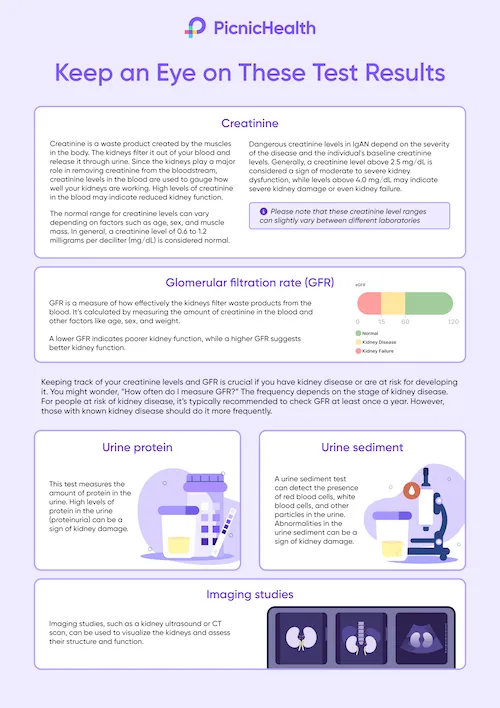
One of the first steps in diagnosing IgAN is evaluating the patient's symptoms, which may include blood in the urine, proteinuria (protein in the urine), and high blood pressure. A urine test and a blood test can help measure protein and creatinine levels, respectively, which are important indicators of kidney function.
The glomerular filtration rate (GFR), which measures how blood is being filtered by the kidneys each minute, is also an important diagnostic test. If IgAN is suspected, a kidney biopsy may be performed to confirm the diagnosis and assess the extent of the damage.
While medical tests such as blood and urine tests can provide valuable information about kidney function and the presence of IgAN, a kidney biopsy is the most definitive test for diagnosing the disease. However, you and your doctor should also be aware of common IgAN symptoms, such as:
- Proteinuria: IgAN can cause the kidneys to leak protein into the urine, resulting in proteinuria. This can make urine appear foamy or frothy.
- High blood pressure: IgAN stunts kidney efficiency, leading to high blood pressure. High blood pressure can be a sign of advanced disease and increase the risk of further kidney damage.
- Swelling: As IgAN progresses, it can cause fluid to accumulate in the body, leading to swelling in the legs, ankles, and feet.
- Fatigue and weakness: IgAN can cause anemia, which can lead to fatigue and weakness.
It is important to know that not everyone with IgAN will experience symptoms, especially in the early stages of the disease. This is why it’s important to undergo regular medical check-ups and kidney function tests to detect the disease early and start treatment as soon as possible. If you have any concerns about your kidney health, don’t hesitate to talk to your doctor.
Kidney Biopsy
To diagnose and evaluate the severity of IgAN, your doctor may recommend a kidney biopsy. Here’s what you can expect during the procedure:
- Preparing for the biopsy: Before the biopsy, you will undergo a series of tests to assess your kidney function and determine if you are healthy enough for the procedure. You may need to avoid certain foods and medications for some time before the biopsy to minimize the risk of complications such as bleeding or infection.
- Administering anesthesia: You will receive a local anesthetic to numb the area where the biopsy needle will be inserted. In some cases, you may also receive a sedative to help you relax.
- Inserting the biopsy needle: Once the area is numb, the doctor will insert a biopsy needle through the skin and into your kidney. The needle is guided by ultrasound or another imaging technique to ensure that it is in the correct position. The doctor will then remove a small sample of kidney tissue using the needle.
- Monitoring and recovery: After the biopsy, you will be monitored for some time to ensure that they are stable and there are no complications. You will need to lie down for several hours to minimize the risk of bleeding. You may also need to avoid certain activities for a period of time, such as heavy lifting or strenuous exercise, to allow your kidney to heal.
After the biopsy, it’s important to work closely with your doctor to manage your IgAN symptoms. This may include learning about IgA nephropathy foods to avoid, controlling your blood pressure, and addressing other underlying health conditions that can worsen IgAN symptoms. Some patients may require medication or other treatments to slow the progression of the disease.
While there is no cure for IgAN, symptoms can be managed, and patients can go on to live a fulfilling life. Undergoing a kidney biopsy is one of the first steps in evaluating the severity of your illness and determining the best course of treatment. If you have any questions or concerns about the biopsy procedure or your IgAN diagnosis, don’t hesitate to speak with your doctor.
IgA Nephropathy Stages
Recognizing the progression of IgAN is important for managing symptoms. IgAN stages include:
- Stage 1: In the early stages of IgAN, there may be no symptoms or only mild symptoms such as blood or protein in the urine.
- Stage 2: In this stage, there may be mild to moderate kidney damage, with slight reductions in kidney function.
- Stage 3: Stage 3 is divided into two sub-stages (3A and 3B), and is characterized by moderate to severe kidney damage and a significant reduction in kidney function.
- Stage 4: Severe kidney damage and a significant reduction in kidney function typically accompany stage 4 of the disease.
- Stage 5: This is the most advanced stage of IgAN, also known as end-stage renal disease (ESRD). In this stage, the kidneys are no longer able to function, and dialysis or kidney transplantation is necessary to sustain life.
It’s important to recognize IgAN symptoms at each stage of the disease to manage your health appropriately. By managing their health and working closely with your doctor, you can oftentimes slow the progression of IgAN.
IgA Nephropathy Diet
Eating a healthy diet is an important part of managing IgAN symptoms. The standard IgA nephropathy diet consists of low-sodium, low-potassium foods. It’s important to work closely with your healthcare provider to develop a diet plan that meets your unique needs and includes IgA nephropathy foods to avoid.
An IgAN diet book can be a valuable resource for those looking to take an active role in managing their kidney disease through dietary modifications. While there is no one-size-fits-all diet for IgAN, a diet book can provide helpful guidance on how to make healthy food choices that can support overall kidney health and slow the progression of the disease.
These books often include IgA nephropathy diet recipes, which can be especially helpful for those that have just been diagnosed with the disease and need to restructure their diet. By learning to cook new and varied recipes, you can take control of your symptoms and improve your quality of life. If you have any questions about your diet and IgAN be sure to speak with your doctor.
IgA Nephropathy Treatment
IgAN treatment depends on the severity of the disease, the extent of kidney damage, and the symptoms that the patient is experiencing. Immunosuppressants and steroids are two options for managing IgAN symptoms.
Immunosuppressants work by suppressing the immune system to prevent the body from attacking the kidneys, which can reduce symptoms and stop the disease from progressing. Steroids decrease inflammation in the kidneys and can reduce proteinuria. However, steroids can also have undesired side effects, such as an increased risk of infection and weight gain.
Tarpeyo, a type of steroid, is also used to treat IgAN by reducing inflammation in the kidneys.
By working closely with your doctor and finding the right treatment options, you can better manage IgAN flare-up symptoms and slow the progression of the disease. Patients should speak with their doctors to determine which types of treatments and medications are right for them.
Can IgA Nephropathy Be Reversed
IgAN doesn’t currently have a cure, and there is a relatively high recurrence rate for kidney transplant patients. However, by making the right lifestyle changes, patients can reduce IgAN flare-up symptoms and prevent the disease from worsening. Here are some of the things patients can do to improve their health:
- Diet: A healthy, balanced diet is important for managing IgAN. Patients should limit their intake of salt, protein, and cholesterol, as these can increase the workload on the kidneys.
- Exercise: Regular exercise can help improve kidney function, reduce blood pressure, and maintain a healthy weight.
- Blood pressure management: High blood pressure can damage the kidneys and worsen IgAN. Patients should work with their doctors to manage their blood pressure through lifestyle changes and/or medications.
- Limiting alcohol: Limiting alcohol consumption can also help reduce blood pressure and protect the kidneys.
Although there isn’t a cure for IgAN yet, patients can contribute to research to aid in the development of new and improved treatments. PicnicHealth allows patients to participate in research from home and receive updates on how the research is evolving. In doing so, patients can help with larger-scale IgAN research and improve the quality of care.
{{igan-diagnosis-learn-more}}