In the beginning, there was no one to talk to.
I didn't know anyone else with chronic inflammatory demyelinating polyneuropathy, or CIDP. It's a rare neurological condition in which the immune system attacks the protective covering of nerves. I didn't know what questions to ask, or who else out there was living through the same tingling, the same fatigue, the same unpredictable days. For the first few years, I navigated this diagnosis feeling like the only person on earth who had it.
That changed. And looking back, learning to advocate for myself, finding the right people, and eventually choosing to take part in research turned out to be some of the most meaningful parts of my life with CIDP.
{{cidp-insert-1}}
How to Advocate for Yourself With CIDP
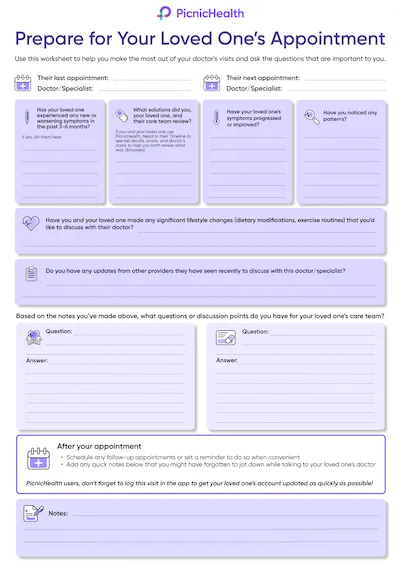
It took me years to learn how to speak up for my own care. Early on, I mostly listened and went along with whatever I was told. Over time, I came to see how much it mattered to be an active partner with my care team, someone who asks questions and shares what I'm noticing, not just someone waiting to be told what's next.
Finding a neuromuscular specialist made a real difference for me. A rare disease like this benefits from a doctor who treats it often, and I learned it's worth taking the time to find that fit. These days, I make a point of speaking up in every appointment. If a strength test only captures how I perform once, I ask to repeat it, because the second attempt is usually where the real fatigue shows up. Sharing what I notice about my own body, even the small things, has become part of how I take care of myself.
If you're newly diagnosed, my advice is this: be curious about your own care. Write things down. Ask the questions that come to mind, even the ones that feel small. Trust what you're feeling in your body, and give yourself permission to keep looking until you find a doctor who feels like the right match. A rare disease deserves that kind of patience.
How to Find Support For CIDP
About four years passed before I came across the GBS/CIDP Foundation International, and it was a turning point. For the first time, I was talking to people who already understood the tingling, the exhaustion, the strange unpredictability of it all. I didn't have to explain CIDP from the ground up. They just knew.
From there, I found my way into online groups, mostly on Facebook, made up of people living the same reality I was. I've learned to be a bit selective about which ones I spend time in. The best ones share solid information and genuinely lift each other up, rather than circling around fear or remedies that don't hold up.
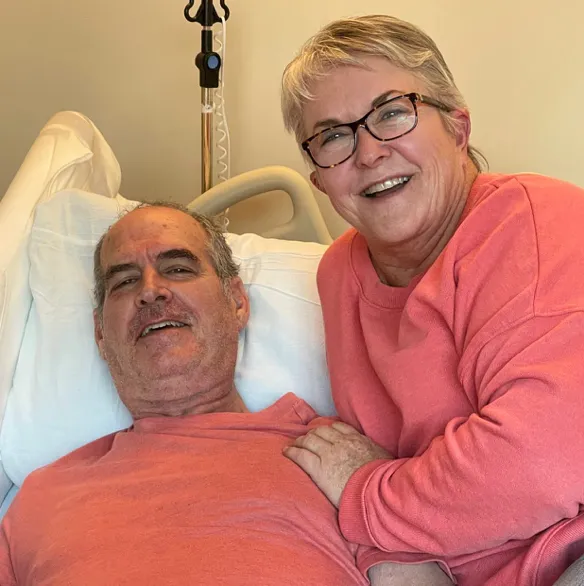
Patient programs connected through pharma partnerships introduced me to another layer of connection, people with CIDP who I now consider family. We check in with each other on a regular basis, and after years of not knowing a single other person with this disease, that kind of circle has meant more than I can easily put into words.
I now tell my story openly, through films, commercials, and speaking engagements, because I've watched what it does. Doctors and nurses have told me their whole understanding of CIDP shifted after hearing what it's actually like day to day, in a way a textbook can't capture. Other patients have told me I'm the first person with CIDP they've ever met in person, and that simply being heard meant the world to them. This disease can be profoundly lonely. Connection is often what breaks that open.
{{cidp-insert-2}}
How to Participate in Research for CIDP
When a CIDP research study came across my inbox, I signed on, the same way I try to say yes to anything that could push our understanding of this disease forward. I don't remember exactly how it landed in front of me, but I remember clearly why I stayed with it.
My hope is that studies like this reveal what connects people living with CIDP, and what sets us apart, in ways that eventually guide researchers toward better treatment. To anyone with CIDP who's weighing whether to join a study, here's what I'd offer: chronic illness can quietly convince you that you're no longer contributing to anything. Being part of a study gave me some of that back. There's no set pace you have to keep, and even if you never personally see where the research leads, you've helped build toward it.
Twelve years in, I genuinely believe this is a hopeful moment to be living with CIDP. Treatment options have expanded, trials are more active than they used to be, and more people understand this disease than ever before. Every patient who steps forward, whether by sharing their story or enrolling in a study, adds something to that momentum. I'm glad to be one of them.
If you or someone you love has been living with CIDP, your story matters to science.
Learn more about participating in CIDP research →