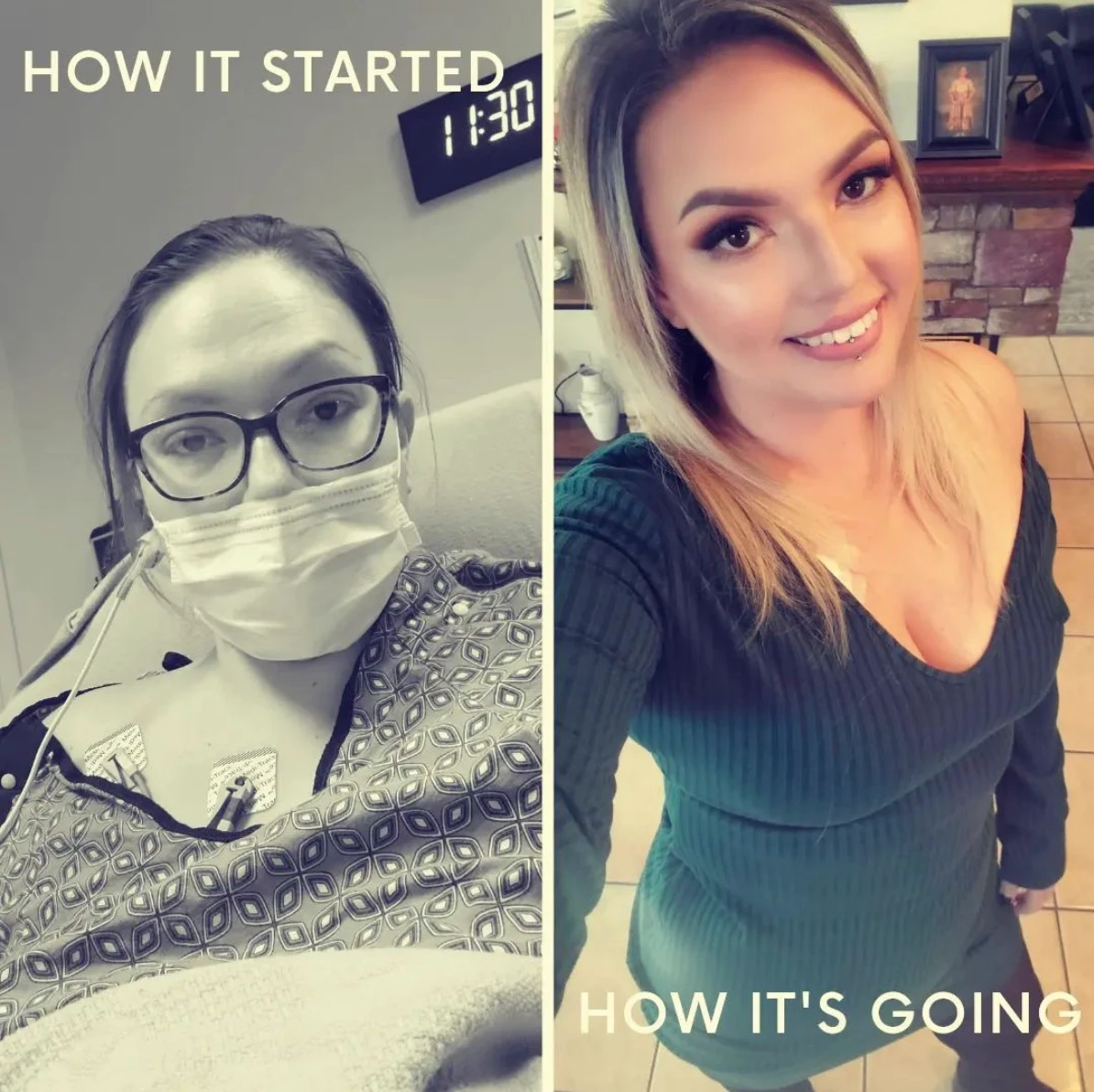
I kept biting my tongue.
Not the metaphorical kind. My actual tongue, over and over, while I was eating, because I couldn't feel it anymore. Before that, it was my lips. I thought I'd eaten something I was allergic to. I kept asking people, "does my top lip look swollen to you?" It didn't look swollen. It just felt that way, and the feeling wouldn't go away. Then it spread to my bottom lip. Then both cheeks. Then my tongue went numb entirely.
I didn't know it yet, but that was chronic inflammatory demyelinating polyneuropathy, or CIDP, introducing itself. And it introduced itself in a way that almost nobody expects, because CIDP doesn't usually start in the face.
{{cidp-symptoms-1}}
How I Got a CIDP Diagnosis
The tongue and lips were strange, but brain fog is what actually alarmed me first. I stopped remembering things at work that had never given me trouble before, and started writing reminders for the first time in my life. Then the numbness spread to my hands, my feet, my legs, until my legs felt like cement. When I could hardly get up out of a chair, I knew something was seriously wrong.
I should have gone to a neurologist sooner. But I did what a lot of women do: I decided I'd plow through it and told myself I was probably just tired.
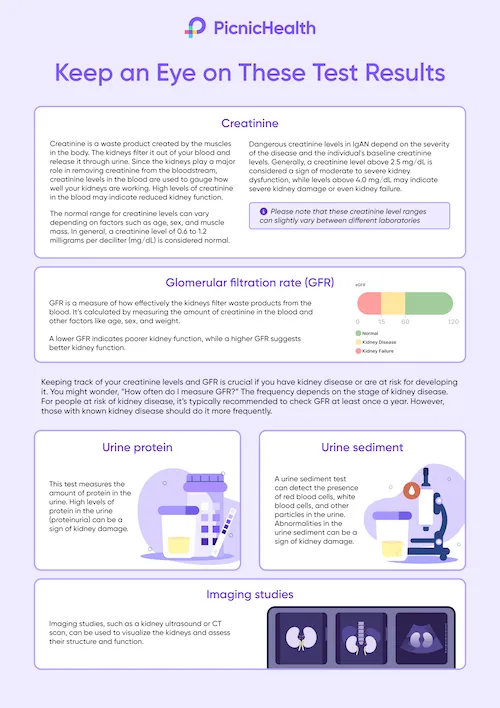
I wasn't. It took three months and a mountain of tests, blood work, an EMG, a bone marrow biopsy, a lumbar puncture, MRIs, CTs, before a doctor finally said, "You have CIDP."
My first reaction wasn't fear. It was relief. "Oh, thank goodness," I said. He looked at me like I'd lost my mind. But at least now I knew I wasn't imagining any of it. I had no idea what CIDP even stood for, let alone that I'd be living with it for the rest of my life.
My Life With CIDP
Twelve years later, the only "typical" thing about a day with CIDP is that no two days are typical.
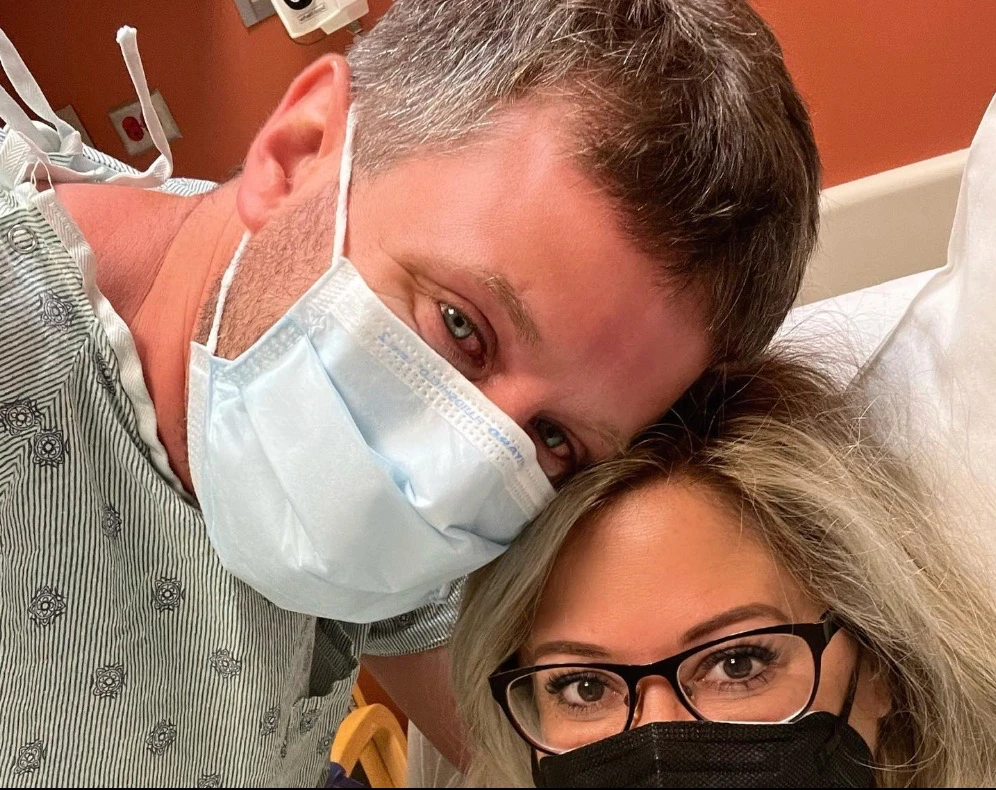
I wake up and take inventory before anything else. Are my legs working? My hands? Do I have an infusion today, or plans with my husband I might have to cancel again? That guilt shows up every morning, right on schedule.
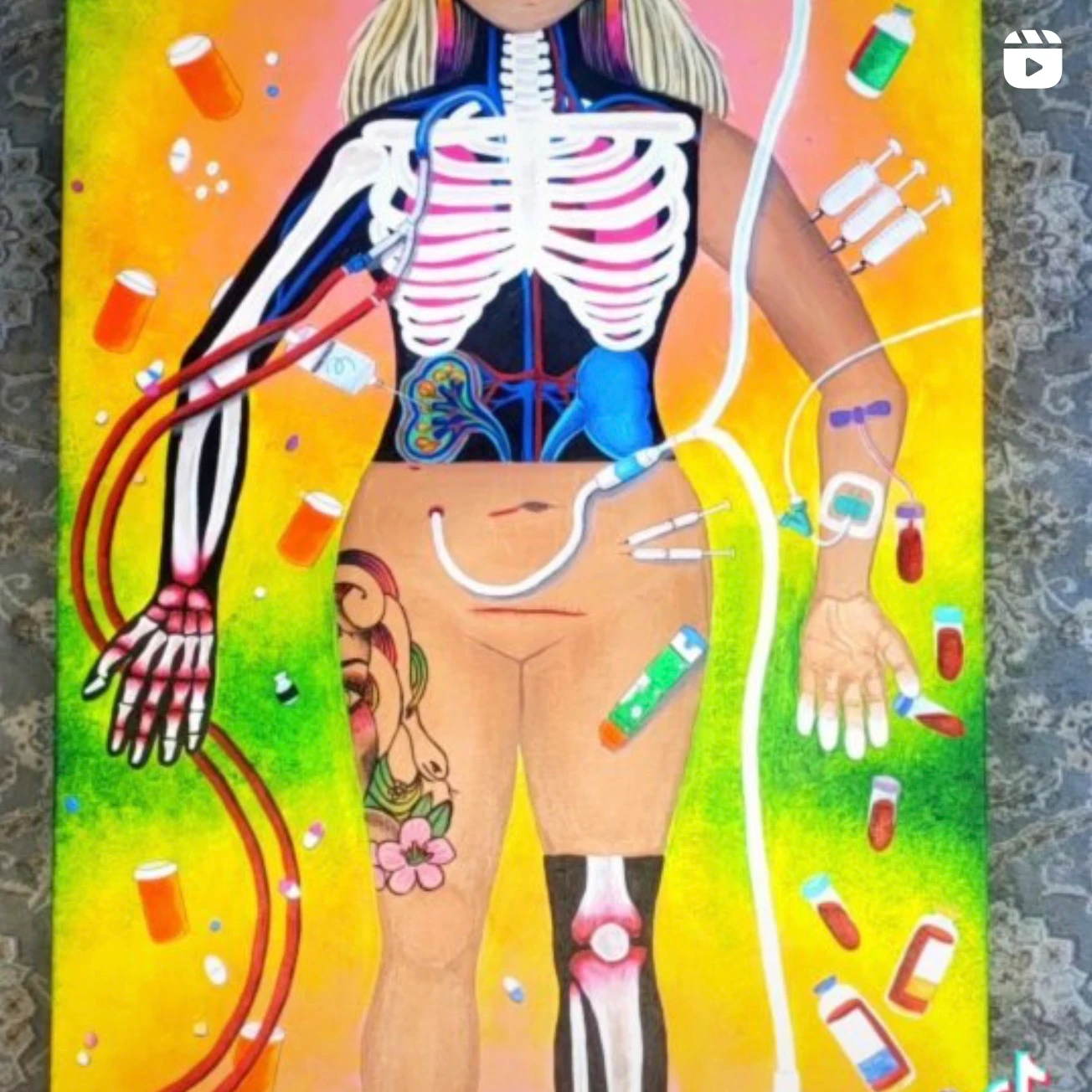
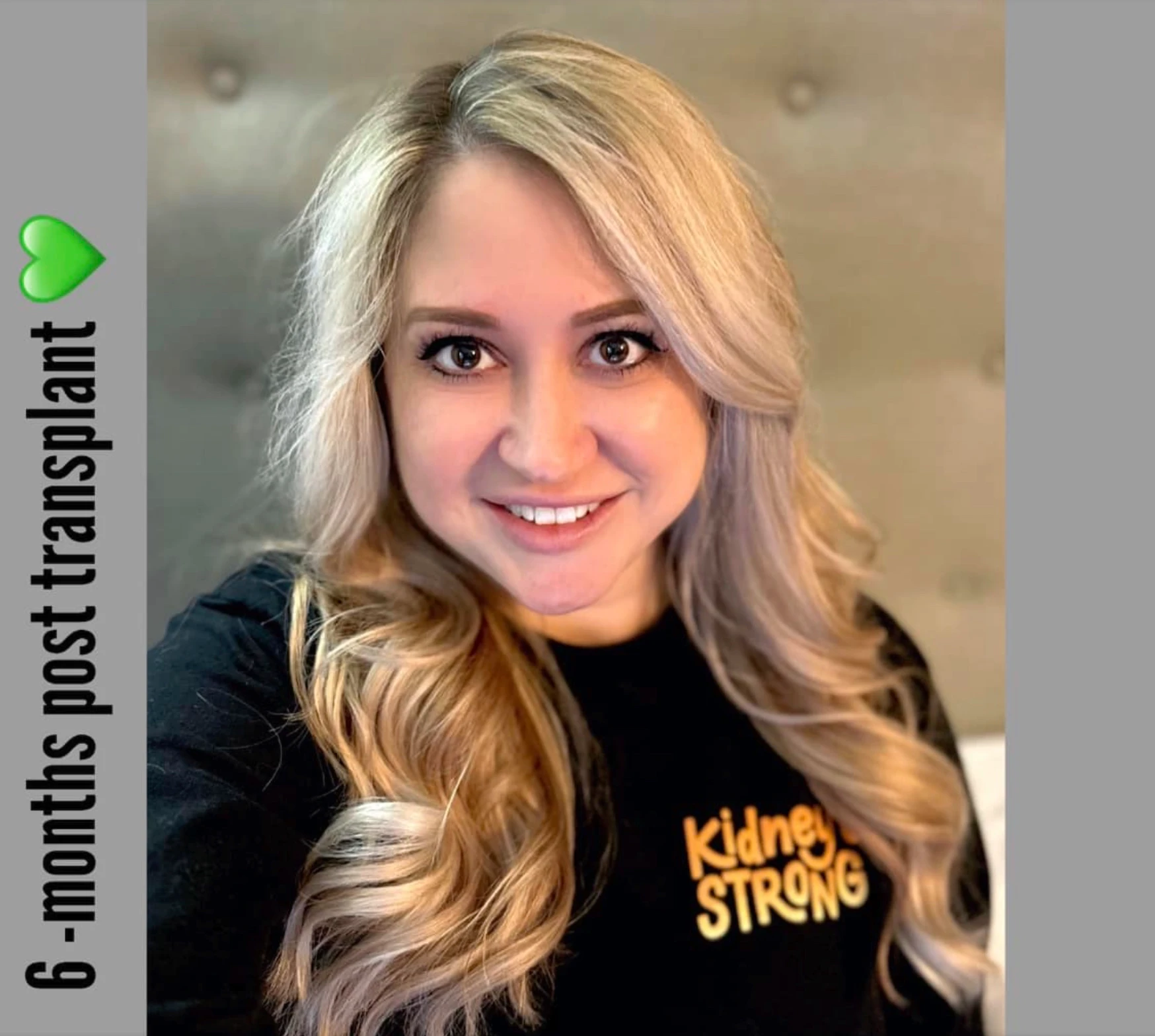
Making coffee means sitting down to recover from making coffee. A shower, taken sitting down, means recovering from that too. More of my life has happened on the couch than I care to count. I'm usually in bed by 9:30, legs aching from whatever I asked of them that day. I no longer drive. My husband cuts my meat for me. Life looks different now that I have CIDP, and years later, I'm still figuring it out. But despite it all, I am still Crystal. I just may do things a bit differently now.
What Helps Me Manage My CIDP
Advocating for myself took years to learn, and building a care team I trust has been important in that process. I now see a neuromuscular specialist, speak up in every appointment, and seek emergency help when I need it.
Community matters too. Finding the GBS/CIDP Foundation International and support groups helped me realize that I'm not alone in my journey. I found people who understood the tingling and fatigue firsthand. My husband has also been a great support system. It was challenging for some of my friends to adapt to my new normal, but the friends who've stayed with me through it all are closer than ever.
Somewhere in the middle of juggling specialists and years of records scattered across offices, I started using PicnicHealth to manage it all. Having everything in one place has been a relief, and it even reminds me how long it's been since I've seen a particular doctor, which is usually the nudge I need to make the appointment.
{{cidp-symptoms-2}}
Participating in CIDP Research
I got an email one day about a CIDP research study and said yes. I try to say yes to anything that might move CIDP research forward. I hope studies like this uncover the patterns, and the differences, among people living with CIDP that could eventually point toward better treatments.
If you're on the fence about joining a study: chronic illness has a way of making you feel unproductive. Research gave some of that back to me. There's no pressure, you go at your own pace, and even if you never see the results, you're part of the solution. CIDP takes so much from us. This is one way to take something back.
If you or someone you love has been living with CIDP, your story matters to science.
Learn more about participating in CIDP research →